

- English
 Español
 Português
 русский
 Français
 日本語
日本語 Deutsch
 tiếng Việt
 Italiano
 Nederlands
 ภาษาไทย
 Polski
 한국어
한국어 Svenska
 magyar
 Malay
Malay বাংলা ভাষার
 Dansk
Dansk Suomi
Suomi हिन्दी
 Pilipino
 Türkçe
 Gaeilge
 العربية
 Indonesia
 Norsk
Norsk تمل
تمل český
český ελληνικά
 український
 Javanese
 فارسی
فارسی தமிழ்
தமிழ் తెలుగు
 नेपाली
 Burmese
 български
 ລາວ
ລາວ Latine
 Қазақша
 Euskal
 Azərbaycan
 Slovenský jazyk
 Македонски
 Lietuvos
 Eesti Keel
 Română
 Slovenski
 मराठी
मराठी Srpski језик

Cooling Solutions: Benefits of Using Water-Cooled Chillers in Industrial Processes
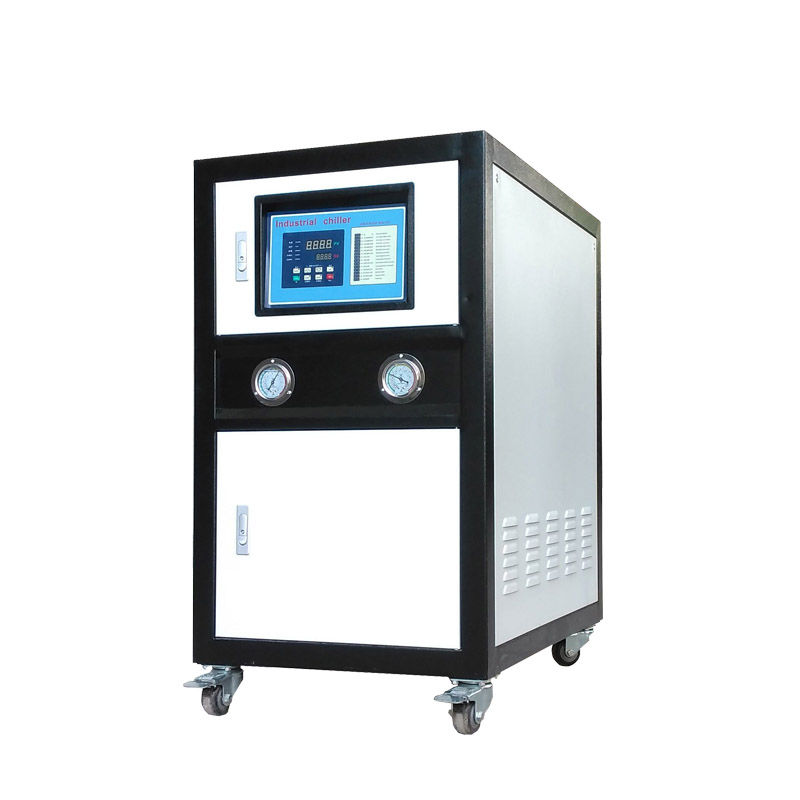
Water-cooled chillers provide efficient and effective solutions for cooling in various industrial processes. Their function is to circulate chilled water through a closed-loop system to transfer heat from manufacturing or commercial processes to the atmosphere.
One of the advantages of water-cooled chillers is their high cooling capacity, resulting in faster and more efficient cooling times. Additionally, water-cooled chillers are designed to operate quietly, maintaining peace and productivity in industrial spaces.
Water-cooled chillers are also very efficient in energy consumption, thus reducing operating costs. By utilizing water as the cooling medium, they consume less electricity than their air-cooled counterparts, saving energy and reducing their carbon footprint.
Additionally, water-cooled chillers provide consistent temperature control for reliable and precise cooling. They maintain a constant temperature throughout the day, ensuring that the manufacturing process is always running at optimal efficiency.
Water-cooled chillers are also more durable and longer lasting than air-cooled chillers. They are made of corrosion-resistant materials, reducing maintenance and replacement costs.
In summary, water-cooled chillers offer numerous advantages to industrial processes, including high cooling capacity, quiet operation, energy efficiency, and precise temperature control. They are also durable and long-lasting, reducing maintenance and replacement costs. Businesses should consider investing in water-cooled chillers to improve the overall efficiency of their industrial processes and reduce operating costs.
Send Inquiry




X
We use cookies to offer you a better browsing experience, analyze site traffic and personalize content. By using this site, you agree to our use of cookies.
Privacy Policy